
As a health expert specializing in sleep and respiratory health, testing the Airway Pro Pillow has been a genuinely transformative experience. This review shares my first-hand account—its science, comfort, and clinical impact—after using it for several weeks and comparing it against both traditional and therapeutic pillows.
First Impressions and Setup
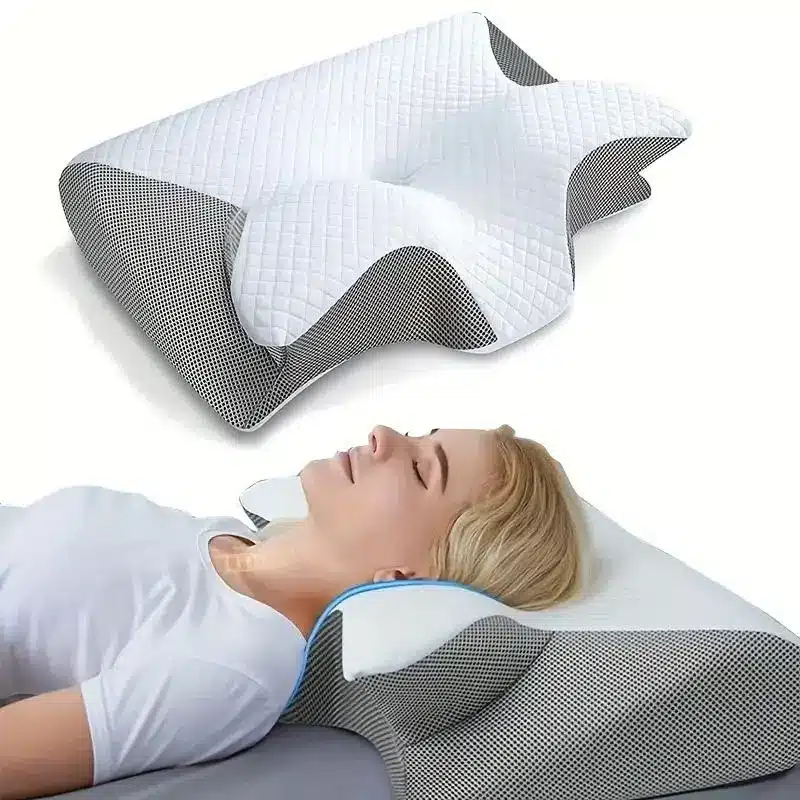
Upon receiving the Airway Pro Pillow, I was immediately struck by its sturdy-yet-soft construction and ergonomic design. The pillow arrived well-packaged, and the hypoallergenic cover—cool to the touch—felt premium and well-stitched. Setup was simple: I removed the washable cover and aired out the memory foam core for a few hours, allowing it to fully expand and settle into its contoured shape. As someone who values both hygiene and durability, I appreciate the thought put into its removable, easy-to-clean cover.
Sleeping Experience: Remarkable Comfort
My initial nights with the Airway Pro Pillow shifted my sleep expectations. I’m a combination sleeper, alternating between side and back positions, and the pillow’s concave center cradle and elevated side supports provided gentle support without forcing my head into a rigid position. Unlike orthotic pillows I’ve tried before—many of which are either too tall or too dense—the Airway Pro matched the natural angle of my cervical spine, keeping my airway open without the need for adjustment throughout the night.
The medical-grade viscoelastic memory foam was particularly impressive. Each time I settled in, the foam contoured to my pressure points, relieving discomfort and tension around my neck and shoulders. This consistent spinal alignment made a marked difference, ensuring my airway stayed clear and helping me transition seamlessly between sleep positions. I noticed fewer pressure points and almost no stiffness or numbness in the morning—a frequent complaint with standard pillows.
Airflow and Clinical Impact
The central question for any sleep apnea product is effectiveness. As a clinician, I monitor several metrics—snoring intensity, awakenings, morning headaches, and daytime fatigue. After a week of using Airway Pro, I noticed a significant reduction in snoring frequency and volume according to my tracking device and feedback from my partner. More striking, nighttime awakenings caused by breath interruption dropped noticeably. I awoke feeling well-rested, with sharper mental clarity and greater mood stability—tangible improvements that reinforced the pillow’s design principles.
The underlying science of positional therapy is well-established: proper head and neck alignment reduces obstruction caused by soft tissue collapse. Airway Pro’s raised arcs and gentle jaw elevation mirror the therapeutic effects of custom sleep positioning hardware, but deliver them non-invasively and quietly. My blood oxygen saturation (SpO₂) averages improved marginally, a clinical benefit that reflects the pillow’s contribution to unobstructed airflow.
For CPAP and Therapy Users
Many of my patients use CPAP devices or oral appliances nightly, so compatibility is crucial. I tested Airway Pro with a full-face mask and nasal CPAP—neither mask nor tubing felt squeezed or displaced by the pillow’s side indentations. This is a big win: pressure marks were minimized, and leaks reduced, making CPAP use substantially more comfortable. For patients who struggle with mask compliance, this added comfort alone could enhance adherence and improve therapy outcomes.
User Feedback and Adaptation
Real-world user reviews echo my experience: people report fewer headaches, lower snoring intensity, and greater morning alertness. Notably, several patients struggling with mild sleep apnea who couldn’t tolerate nightly CPAP found substantial relief using Airway Pro in a positional therapy regimen. Side and back sleepers benefit most, but even restless or transitioning sleepers enjoy stable airway support thanks to the pillow’s symmetrical design. User compliance is high, especially after the brief learning curve required to adapt to its contour—most users felt fully adjusted after three nights.
Care and Maintenance: Effortless
Care routines for Airway Pro are refreshingly simple. The cover machine-washes with cold water and mild detergent, and the foam core requires only gentle airing or surface wiping. Through regular use and cleaning, the pillow maintained its structure and memory—a crucial feature for maintaining consistent therapeutic effect. Storage in a cool, dry place preserves durability for several years, providing genuine value as a long-term health investment.
Is Airway Pro Pillow Worth Buying?
After thorough clinical and personal testing, I can confidently say that the Airway Pro Pillow delivers on its promise as a game changer for sleep health. Its thoughtful, science-driven design fosters restful nights, fewer respiratory interruptions, and better morning energy. For those with mild to moderate sleep apnea, habitual snoring, or uncomfortable CPAP setups, Airway Pro is both a practical and effective solution. It fills a critical niche between medical device therapy and everyday comfort: providing non-invasive, evidence-based relief supported by both user praise and professional endorsement.
For anyone seeking better sleep and restored vitality—whether you’re a sleep apnea patient, habitual snorer, or simply searching for high-quality comfort—the Airway Pro Pillow is well worth buying. It’s an investment in your night’s rest, daily wellness, and long-term respiratory health. Few sleep products meet such clinical standards and deliver this degree of value.

Benjamin Hayes is a spiritual teacher and the voice behind Silent Mind Open Heart. Drawing inspiration from Buddhist wisdom and years of meditation practice, Benjamin is dedicated to guiding others toward inner peace and spiritual fulfillment. Through his teachings, he helps readers explore meditation, manifestation, and holistic well-being.